
AT&T Data Breach: A Deep Dive into the Telecom Giant’s Security Incident
In a startling revelation, AT&T, one of America’s largest telecommunications companies, recently disclosed a significant data breach affecting millions of its customers. This incident has brought the spotlight on data security in the telecom industry and raises important questions about the protection of consumer information.
The Scope and Scale
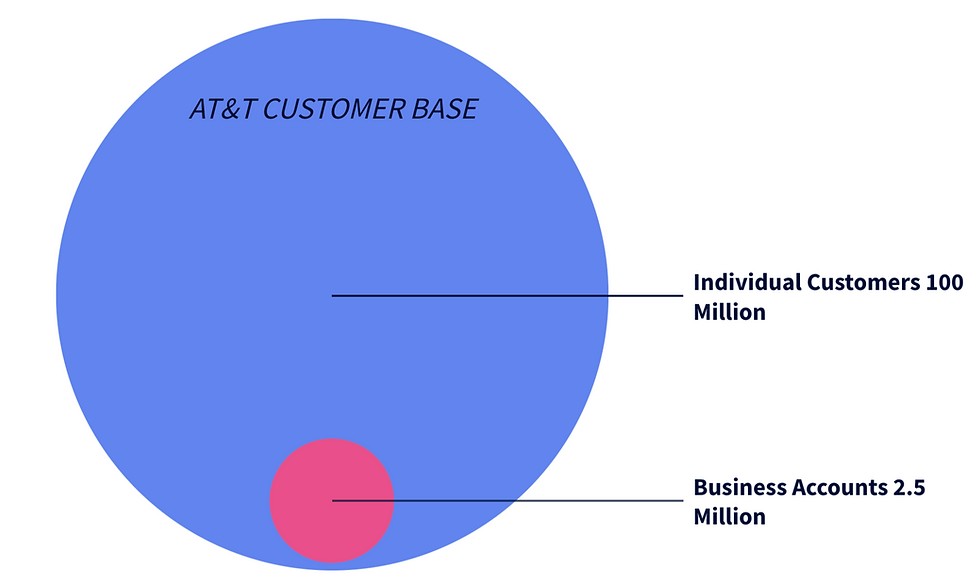
AT&T, with over 100 million U.S. customers and nearly 2.5 million business accounts, reported that the breach impacted: • Nearly all of its cellular customers • Customers of mobile virtual network operators (MVNOs) using AT&T’s network • Landline customers who interacted with affected cellular numbers
The Compromised Data
The breach exposed records from May 1, 2022, to October 31, 2022, with a small subset of data from January 2, 2023. Specifically, the compromised information includes:
• Records of calls and texts • Telephone numbers involved in these interactions • Some cell site identification numbers
AT&T emphasised that the breach did not include:
• Call or text content
• Social Security numbers
• Dates of birth
• Other personally identifiable information
• Time stamps of calls or texts
Ransom Payment and Data Deletion
In a controversial move, AT&T reportedly paid approximately $370,000 to a hacker associated with the ShinyHunters group to delete the stolen data. Key points about this transaction include:
The payment was made in May 2024 via Bitcoin
The hacker initially demanded $1 million but settled for the lower amount
A security researcher using the pseudonym Reddington mediated the negotiations
The hacker provided a video demonstration of the data deletion
While the main dataset was reportedly deleted, fragments may still exist elsewhere
Timeline and Discovery
The breach occurred between April 14 and April 25, 2024, involving unauthorised access to AT&T’s workspace on a third-party cloud platform. AT&T announced the breach on July 14, 2024. The disclosure was delayed due to potential national security implications, with the Department of Justice granting AT&T exemptions to postpone public notification.
Potential Implications
Despite AT&T’s assurances, the breach poses significant risks:
1. Privacy Concerns: Even without personal identifiers, the data could potentially be used to map communication patterns and approximate user locations.
2. Identity Theft: While personal information wasn’t directly compromised, the data could be combined with other sources to attempt identity theft.
3. Targeted Scams: Knowledge of communication patterns could be exploited for sophisticated phishing attempts.
4. Ongoing Threats: The possibility of residual data samples poses continuing security risks for AT&T customers.
AT&T’s Response
The company has taken several steps in response to the breach:
1. Launched an internal investigation 2. Engaged cybersecurity experts to assess the scope and nature of the breach 3. Cooperating with law enforcement, resulting in at least one apprehension 4. Negotiated with the hacker to delete the stolen data 5. Notifying affected customers.

Market Impact The incident had immediate financial repercussions, with AT&T’s stock falling more than 2% before markets opened on the day of the announcement.

Industry-Wide Implications
This breach highlights several critical issues for the telecom industry:
1. Data Retention Policies: Questions arise about the necessity and risks of storing extensive historical records.
2. Security Measures: The incident underscores the need for continual updates and improvements in cybersecurity protocols.
3. Regulatory Scrutiny: This may lead to increased calls for stricter data protection regulations in the telecom sector.
4. Consumer Trust: Rebuilding and maintaining customer confidence will be crucial for AT&T and the industry at large.
5. Ransom Dilemma: AT&T’s decision to pay the ransom underscores the complex choices companies face when dealing with sophisticated cyber threats.
Lessons for Consumers
While AT&T works to address the breach, consumers should:
1. Monitor accounts for unusual activity 2. Be wary of unexpected communications claiming to be from AT&T 3. Consider using additional security measures like two-factor authentication
Looking Ahead
As cyber threats continue to evolve, this incident serves as a wake-up call for the entire telecom industry. It highlights the ongoing challenge of balancing data utilisation for service improvements with robust security measures to protect that data.
The AT&T breach will likely catalyse discussions about data protection, privacy rights, and the responsibilities of service providers in safeguarding customer information. Additionally, it raises ethical questions about negotiating with cybercriminals and the potential consequences of such actions. As we increasingly rely on digital communications, ensuring the security and privacy of these systems becomes more critical than ever.


Comments